Most plumbing problems we repair across the Lowcountry didn’t start as emergencies. They started as small issues that went unchecked for months or years: a slow drip behind a wall, sediment building in a water heater tank, a shut-off valve that seized up from disuse, or corrosion creeping through a pipe joint in a crawl space nobody checked.
The good news is that most of these problems are preventable with basic maintenance you can do yourself and one professional inspection a year. This guide covers what to check, how often, and what’s specific to maintaining plumbing in South Carolina’s climate. We’ve organized it by frequency so you can fit it into your routine without overthinking it.
Monthly Checks (5 Minutes Each)
These are quick visual checks you can do while going about your normal routine.
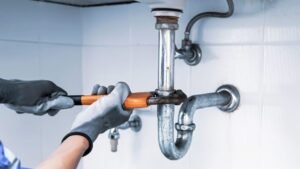
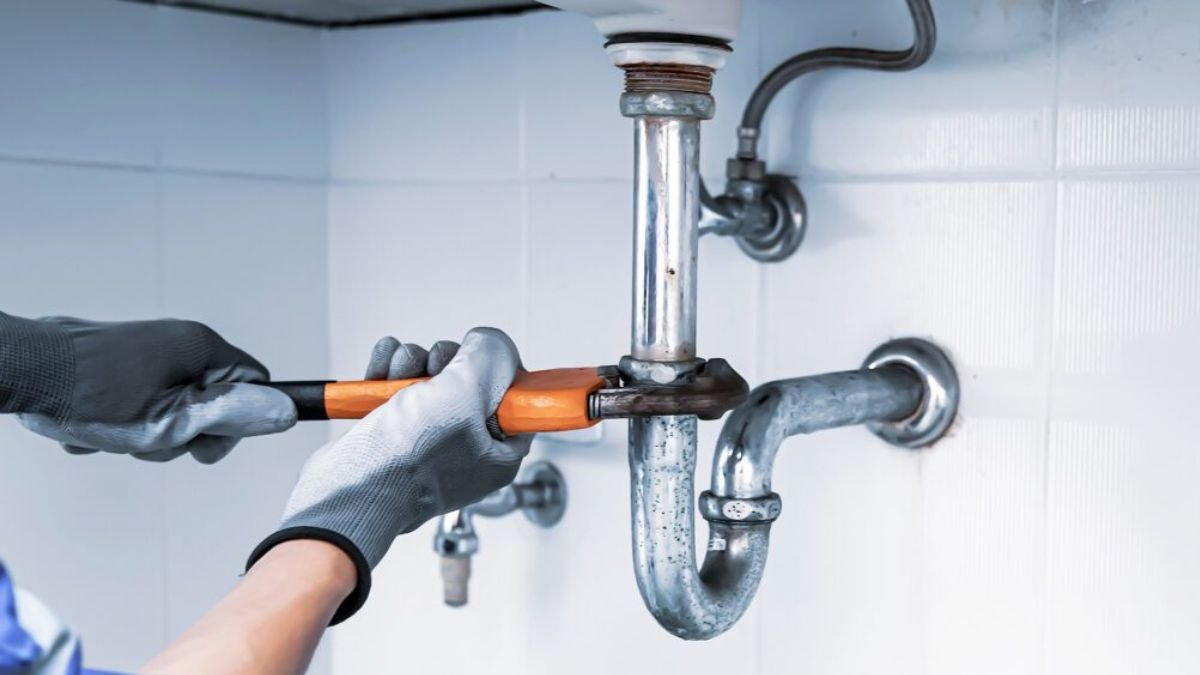
Look under every sink for dampness. Open the cabinet doors beneath your kitchen and bathroom sinks. Feel the cabinet floor and the connections where the supply lines meet the faucet. Any dampness, staining, warping, or musty smell means moisture is getting where it shouldn’t. Most under-sink leaks start small and are cheap to fix when caught early. Left alone, they damage cabinets, subfloors, and can grow mold in a matter of days in South Carolina’s humidity.
Listen for running toilets. After the tank fills, your house should be quiet. If you hear water running faintly from a toilet that hasn’t been flushed in hours, the flapper is leaking. A worn toilet flapper can waste 200 gallons per day without making an obvious sound. A replacement flapper costs a few dollars and takes five minutes to install.
Watch your water bill. Pull out your last two or three statements and compare usage. If consumption is climbing without a change in your habits (no extra guests, no pool filling, no new irrigation), water is leaving your system somewhere. Even a small hidden leak adds up fast.
Every Three Months (15 Minutes Total)
Clean faucet aerators. Unscrew the aerator from each faucet (it’s the small screened piece at the tip of the spout), rinse out any sediment or mineral buildup, and screw it back on. Clogged aerators are the most common cause of reduced water flow at a single fixture, and cleaning them restores pressure instantly.
Test your main water shut-off valve. Locate your main shut-off (in most South Carolina homes, it’s near the front of the house where the supply line enters, or inside the crawl space) and turn it clockwise to close, then reopen. If it’s stiff, turns only partway, or won’t close at all, schedule a replacement. A shut-off valve that doesn’t work is useless in an emergency. Austin Holcomb, who spent years in the Marines before becoming a plumber, puts it simply: “The worst time to find out your shut-off doesn’t work is when water is on the floor.”
Run the water meter test. Turn off every fixture, appliance, and ice maker in the house. Go to your water meter (usually in a box near the curb) and write down the reading. Wait two hours without using any water. If the reading changed, you have a leak somewhere. This simple test catches hidden leaks before they cause damage.
Pour water into unused drains. If you have a guest bathroom, floor drain, or any drain that doesn’t get regular use, pour a cup or two of water into it every few months. The P-trap beneath the drain holds a water seal that blocks sewer gas from entering your home. When a drain sits unused, that water evaporates and sewer gas comes through. This is especially common in South Carolina’s heat, where traps dry out faster than in cooler climates.
Twice a Year (Spring and Fall)
These tasks align with South Carolina’s two most important plumbing seasons: preparing for summer humidity and preparing for winter cold snaps.
Spring (March to April)
Check outdoor faucets and hose bibs. Turn on each outdoor faucet and let it run. Look for leaks at the handle, the spout, and where the faucet meets the wall. If any outdoor fixtures froze and cracked during winter, this is when you’ll find out. In coastal areas like James Island, Mount Pleasant, and Folly Beach, also check for salt-air corrosion on outdoor hardware. Corroded hose bibs should be replaced with corrosion-resistant models before summer use.
Inspect your crawl space. If your home is built on a raised foundation (common across Charleston, Summerville, and the Lowcountry), get under the house or have a plumber do it. Look for standing water, damp soil, dripping connections, green or white corrosion on pipe fittings, and mold on or around plumbing. South Carolina’s humid summers keep crawl spaces damp for months, which accelerates corrosion on metal pipes and fittings and can damage the subfloor above. Catching a crawl-space problem in spring is far less expensive than discovering it in August after it’s been building all summer.
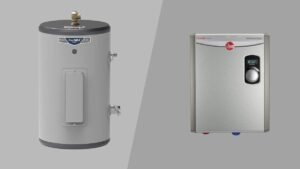
Flush your water heater. Connect a garden hose to the drain valve at the bottom of the tank and drain a few gallons into a bucket or outside. You’ll see sediment (sandy, brownish particles) come out with the water. This buildup reduces heating efficiency, shortens the unit’s life, and causes the popping or rumbling sounds homeowners often ask us about. Austin Webb, who has worked on water heaters across the Lowcountry for 14 years, recommends flushing every spring. “It takes 15 minutes and it’s the single best thing you can do to extend your water heater’s life.”
Test your sump pump (if you have one). Pour a bucket of water into the sump pit and confirm the pump activates, runs, and discharges the water. Do this before South Carolina’s heavy rain season begins, not during it.
Fall (October to November)
Insulate exposed pipes before the first freeze. South Carolina doesn’t get prolonged winters, but the cold snaps in January and February can drop into the low 20s overnight. Pipes in uninsulated crawl spaces, exterior walls, and attic spaces are vulnerable. A $5 roll of foam pipe insulation prevents a burst pipe that could cost $2,000 or more to repair plus additional thousands in water damage.
Disconnect and drain outdoor hoses. Leaving a hose attached to a hose bib during a freeze traps water inside the faucet body and the supply line behind it. That trapped water expands when it freezes and can crack the faucet or the pipe inside the wall. Disconnect, drain, and store hoses before the first hard frost.
Check your water heater’s temperature setting. The recommended setting is 120 degrees Fahrenheit. Higher settings waste energy and increase the risk of scalding. Lower settings can allow bacterial growth in the tank. Check the dial or digital display on your unit and adjust if needed.
Confirm your shut-off valves still work. Test both the main shut-off and the individual fixture valves under sinks and behind toilets. Valves that haven’t been turned in a year can seize. Better to find that out now than during a plumbing emergency in February.
Once a Year
Schedule a professional plumbing inspection. Even the most diligent homeowner can miss things a plumber would catch: early-stage pipe corrosion, a water heater anode rod that’s depleted, a sewer lateral with root intrusion, or a pressure regulator that’s failing. A professional inspection covers your supply system, drain system, water heater, crawl space, fixtures, and shut-off valves in one visit.
For South Carolina homes built before 1970, the inspection also assesses the condition of older pipe materials (galvanized steel supply lines, cast iron drains) that may be nearing the end of their useful life. For homes built between 1978 and 1995, the plumber should confirm whether polybutylene piping is present and advise accordingly.
Check your water pressure. You can buy a pressure gauge at any hardware store for under $10. Screw it onto a hose bib, turn on the water, and read the gauge. Healthy residential pressure is 40 to 60 psi. Below 40 feels sluggish and suggests a supply issue. Above 80 can damage fixtures, stress supply lines, and shorten water heater life. If your pressure is consistently high, a pressure-reducing valve may need adjustment or replacement.
What South Carolina Homeowners Should Watch For Year-Round
A few maintenance considerations are specific to living in this climate.
Condensation on cold water pipes. During summer, the temperature difference between cold water inside the pipe and the warm, humid air outside creates condensation on pipe surfaces, especially in crawl spaces. This constant moisture drips onto wood framing, feeds mold, and accelerates corrosion on metal pipes. If you see sweating pipes in your crawl space, pipe insulation helps reduce condensation.
Humidity and mold around plumbing connections. South Carolina’s humidity means any moisture from a small leak, drip, or condensation won’t evaporate on its own the way it would in a drier state. Damp materials behind walls, in crawl spaces, and under sinks stay wet and become breeding grounds for mold. Mold can begin developing within 48 to 72 hours of sustained moisture in our climate.
Tree root intrusion into sewer lines. South Carolina’s lush landscaping, particularly live oaks, pines, and mature hardwoods, sends roots toward the moisture in aging sewer laterals. If your drains slow down progressively, back up after heavy use, or you notice unusually green patches along the sewer line path in your yard, root intrusion is worth investigating. A professional camera inspection shows exactly what’s inside the line.
Outdoor plumbing corrosion near the coast. If you own property in Mount Pleasant, James Island, Folly Beach, Sullivan’s Island, or any coastal area, outdoor fixtures and exposed connections corrode significantly faster due to salt air. Plan to inspect and replace outdoor plumbing hardware more frequently than you would inland.
When to Stop DIYing and Call a Plumber
You can handle the maintenance items on this list yourself. But some situations need professional tools and judgment:
Your water meter test shows a leak but you can’t find the source. You notice low water pressure throughout the house that cleaning aerators doesn’t fix. Your water heater is over 10 years old and showing signs of corrosion, leaking, or reduced performance. You hear water running in the walls when nothing is on. Multiple drains are slow at the same time. You smell sewer gas inside the house and refilling P-traps doesn’t solve it. Your home has pipe materials you’re unsure about (galvanized steel, polybutylene, or cast iron).
For any of these, a professional evaluation catches what’s happening before it becomes an expensive emergency.
Frequently Asked Questions
How often should I have my plumbing professionally inspected in South Carolina?
Once a year is sufficient for most homes. Homes over 30 years old, properties with mature trees near sewer lines, homes in flood-prone areas, and coastal properties that experience accelerated corrosion benefit from twice-yearly checks. A professional inspection covers systems and components you can’t easily assess on your own.
How do I maintain my water heater between professional visits?
Flush the tank once a year (spring is a good time in South Carolina) to remove sediment. Check the temperature setting (120 degrees is recommended). Look for rust, dampness, or corrosion at the base and on fittings. Listen for unusual sounds when the unit heats. If your water heater is over 8 years old and showing any of these signs, schedule a professional assessment.
What’s the most important plumbing maintenance task most homeowners skip?
Testing the main water shut-off valve. Most homeowners don’t touch it for years, and when they need it during an emergency, it won’t close. Testing it quarterly takes 30 seconds and ensures it works when water is on your floor and every second matters.
Can I use chemical drain cleaners for maintenance?
We don’t recommend them. Chemical drain cleaners generate heat that can damage older pipes, sit in low spots eating at the pipe wall, and rarely remove the full blockage. For routine maintenance, running hot water after kitchen use and using a mesh strainer to catch hair and debris are safer and more effective long-term habits.
What plumbing maintenance is specific to South Carolina’s climate?
Pipe condensation management in summer (insulating cold water pipes in crawl spaces), pipe freeze protection in winter (insulating exposed pipes before cold snaps), crawl-space plumbing inspection at least annually (our humidity accelerates corrosion and mold), and outdoor fixture inspection for salt-air damage in coastal areas. These are maintenance items most national guides don’t address because they’re specific to humid, subtropical climates like ours.
Should I drain my water heater completely or just flush it?
A full drain isn’t necessary for annual maintenance. Flushing means draining several gallons from the bottom valve to remove accumulated sediment. If the sediment is severe (the water runs brown or sandy for a long time), or if the tank hasn’t been flushed in several years, a more thorough flush or professional service may be needed. Regular annual flushing prevents heavy buildup from developing in the first place.
Keep It Simple. Keep It Consistent.
Your plumbing system doesn’t ask for much. A few minutes of attention each month, two seasonal checkups a year, and one professional inspection annually is enough to catch most problems before they cost real money. If anything on this checklist raises a concern, or if you’d rather have a professional handle the annual inspection, call Pineapple Plumbing at (843) 739-7438 or schedule a visit online.
Honest advice, written estimates, and work we stand behind.
Pineapple Plumbing. 503 N Commodore Way, Summerville, SC 29483.