
Quick answer: You need a plumber when a problem involves water you can’t stop, a fixture that keeps failing no matter how many times you fix it, or symptoms showing up in more than one place at once, such as multiple slow drains, a pressure drop throughout the house, or a rising water bill with no clear cause. A single, isolated drip or slow drain can often wait for a scheduled visit.
A dripping faucet is annoying. A gurgling drain is unsettling. Water pooling somewhere it shouldn’t be is a different problem entirely. Somewhere between those three, most Charleston homeowners find themselves asking the same question: is this actually something I need a plumber for, or can it wait?
The honest answer depends less on which fixture is acting up and more on a few specific details: whether the problem is isolated or spreading, whether it’s getting worse, and whether water is actively moving somewhere it shouldn’t. Below are seven signs that reliably separate a “schedule it for next week” problem from a “call today” problem, plus a simple framework for judging anything that doesn’t fit neatly into either category.
Quick Decision Guide
| Call a plumber now | Call a plumber soon (within days) | Usually safe to schedule normally |
| Burst or actively leaking pipe | Recurring clogs in the same drain | A single slow drain |
| Sewage backing up into the home | Multiple slow drains at once | A minor, contained faucet drip |
| Water heater leaking heavily or hissing, with visible pooling | Water pressure dropped throughout the whole house | Low pressure at one fixture only |
| No water anywhere in the house | An unexplained jump in your water bill | A toilet that runs intermittently |
| Strong gas smell near a plumbing appliance (leave the house, then call your gas utility) | Damp spots, musty smell, or discoloration on walls or ceilings |
Urgency isn’t just about which box a symptom falls into. It also depends on severity, whether one fixture or several are affected, whether the problem is recurring, and whether property damage is actively happening. If you’re not sure which column you’re in, call and describe it. A plumber can usually help you sort that out over the phone before you decide anything else.
1. More Than One Drain Is Slow, or One Fixture Backs Up When Another Runs
A single slow drain is usually a local clog: hair, soap, or food debris caught near the fixture. It’s a different story when two or more drains slow down around the same time, or when running the washing machine makes the tub gurgle or back up. That pattern usually points to a blockage further down the line, in the branch or main drain, rather than at any one fixture. In Charleston homes with older cast iron or clay sewer lines, root intrusion or interior corrosion is a common cause. Gurgling can indicate a drainage or venting problem, particularly when it happens alongside slow drains in other parts of the house. This is generally a call-soon situation rather than a middle-of-the-night emergency, unless the backup is worsening or sewage is coming up, in which case it escalates. A camera inspection is often the fastest way to find out what’s actually happening underground.
2. Water Pressure Has Dropped Everywhere, Not Just at One Faucet
Low pressure at a single faucet is usually a clogged aerator or a partially closed valve, an easy fix. Low pressure throughout the entire house is different. It can point to corroded supply lines (common in homes with original galvanized steel piping), a failing pressure regulator, or, less often, a leak diverting water before it reaches your fixtures. If the drop happened gradually over months, corrosion or scale buildup is the likely cause. If it happened suddenly, over a day or two, that’s more consistent with a leak or a break somewhere in the system, and it’s worth a call this week rather than waiting.
3. Your Water Bill Jumped and Nothing About Your Water Use Changed
A leak you can’t see is often more expensive than one you can. A toilet with a worn flapper can waste 200 gallons a day without ever making a sound. An underground supply line leak can run for weeks before it shows up anywhere visible. If your bill increased noticeably and your household routine hasn’t changed, it’s worth checking before assuming it’s a fluke. A simple test: add a few drops of food coloring to the toilet tank and wait 15 minutes without flushing. Color in the bowl means the flapper is leaking. If that test comes back clean and the bill is still unexplained, the leak is likely elsewhere in the system, which calls for leak detection equipment rather than more guessing.
4. Your Water Heater Is Sending a Signal
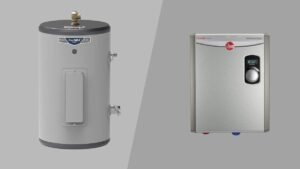
Water heaters rarely fail without warning; they usually give a few first. No hot water at all often means a failed heating element, a tripped breaker, or, on gas units, a pilot or thermocouple issue, typically repairable if the tank itself is sound. Rumbling or popping sounds usually mean sediment has built up and hardened on the tank bottom. Rust-colored hot water suggests the anode rod or tank lining is deteriorating. A puddle at the base needs a closer look: in humid Charleston summers, it can sometimes be condensation, but it can also mean the tank itself has failed, which isn’t repairable. Any one of these on its own is a call-soon situation. A heavy, active leak or a hissing pressure relief valve with visible pooling water moves it into call-now territory.
5. You Hear Water Running With Everything Off, or Notice Damp Spots and Discoloration
The sound of water moving when every fixture is closed usually means water is flowing somewhere it shouldn’t, inside a wall, under a slab, or underground between the meter and the house. Damp spots under a sink, a musty smell in a closet that backs up to plumbing, or discoloration and bubbling paint on a wall or ceiling are the visible cousins of that same problem. These leaks are often slow enough that they don’t feel urgent, but Charleston’s humidity means mold can begin developing within roughly 48 to 72 hours of sustained moisture. A leak that’s staying contained and isn’t spreading can usually wait a few days for a scheduled visit. One that’s actively growing, darkening, or covering more area than it did last week should move up the list.
6. The Same Fixture Keeps Breaking or Clogging, No Matter How Many Times You Fix It
A one-time clog or a single running toilet is a normal repair. A drain that clogs again six weeks after you cleared it, or a toilet that starts running again a month after a new flapper, is telling you something different: the fix addressed the symptom, not the cause. Recurring problems in the same spot often trace back to a bellied section of pipe, root intrusion at a joint, or interior corrosion in an aging line, none of which a plunger or a repeat service call resolves permanently. This usually isn’t an emergency, but it is worth a proper diagnosis, often a camera inspection for drains, rather than paying for the same temporary fix a third time.
7. Water Is Actively Where It Shouldn’t Be, Right Now
This is the one sign that overrides every other part of this framework: a burst or actively leaking pipe, sewage backing up through a drain or toilet, standing water that’s rising, or no water anywhere in the house. If you smell natural gas near any plumbing appliance, leave the house first and contact your gas utility before calling anyone else. For everything else in this category, the first move is the same: shut off the water at the fixture if the problem is isolated there, or at the main supply if it isn’t, then call a plumber. Every minute of water flow you stop before help arrives is damage and cost you don’t have to deal with later.
One Fixture vs. Whole House: The Fastest Way to Judge Severity
If you only take one rule from this article, make it this one. Problems isolated to a single fixture are usually minor and can typically wait for a normal appointment. Problems affecting multiple fixtures, or the whole house, usually point to something happening in your main lines, your water heater, or your supply system, and deserve attention sooner. Ask yourself: is this happening at one sink, or several? Is it getting better, staying the same, or getting worse? Has it happened before? A slow kitchen drain that’s always been a little slow is different from a kitchen drain, a shower, and a toilet that all started acting up in the same week. The second scenario is your plumbing system telling you the problem isn’t local anymore.
What You Can Safely Check Yourself
Some plumbing problems are genuinely fine to handle on your own. Plunging a clogged toilet, cleaning a faucet aerator, replacing a showerhead, or clearing hair from a shower drain with a simple tool are all reasonable homeowner tasks. Here’s where the line sits: anything involving supply line connections, gas lines, water heater components, or drain lines inside walls is better left to a licensed plumber. In South Carolina, plumbing work has to meet state and local code, and a repair done incorrectly can cause water damage, create a safety issue, or complicate an insurance claim later.
It’s also worth skipping chemical drain cleaners when you can. They rarely clear a full blockage, they generate heat that can damage older pipes (cast iron especially, which is common in Charleston’s older neighborhoods), and repeated use can leave a line in worse shape than when you started. If a basic check doesn’t solve the problem, if it keeps coming back, if more than one fixture is affected, or if water is actively escaping, that’s the point to stop troubleshooting and make the call.
Why Plumbing Problems Play Out Differently in Charleston Homes
Same symptom, different house. Charleston’s building stock, climate, and geography change what these signs actually mean here.
Homes built before the 1960s, especially in the Historic District, West Ashley, and parts of James Island, often still have galvanized steel supply lines or cast iron drain lines. Both corrode from the inside out over decades, which is part of why older homes tend to see more gradual pressure loss, more discolored water, and more repeat drain clogs than newer construction. Live oaks, one of the best things about this city, are also one of the more common causes of sewer line trouble. Their roots seek out moisture inside aging clay and cast iron lines through the smallest joint gaps, and once they’re in, they catch everything that flows past.
The Lowcountry’s humidity works against plumbing year-round. Crawl space plumbing, common in raised Charleston homes, sits in damp conditions that accelerate corrosion and create favorable conditions for mold if a leak goes unnoticed. Salt air along the coast, particularly on James Island, Sullivan’s Island, and in Mount Pleasant, wears down exposed metal fixtures and hose bibs faster than it would inland.
Storm season adds its own pressure. Heavy rain and storm surge saturate the ground quickly, and groundwater can infiltrate cracked sewer laterals, which is why drains that behave normally on a dry day sometimes gurgle or back up during and after a storm. And while Charleston doesn’t see long winters, the occasional January or February cold snap has caught more than a few homeowners off guard with a frozen or burst pipe in an exposed crawl space.
What Actually Happens When You Call a Plumber
Once you’ve decided a problem needs professional attention, the next question is what to expect, and how to tell if you’re getting an honest recommendation.
A good diagnostic visit starts with the plumber actually looking at the problem before proposing a fix, not quoting a repair sight unseen. For drain issues, that might mean a camera inspection. For a water heater, it means checking the tank, anode rod, and relief valve rather than assuming replacement is the only option. You should get a plain-language explanation of what they found, a written price before work starts, and a straight answer about whether a smaller repair or a bigger fix is right, without pressure toward whichever costs more.
A few honest signals worth watching for: they explain what a lower-cost option would and wouldn’t fix, they show you what they’re seeing (a camera feed, a corroded fitting) rather than asking you to take their word for it, and they’re willing to say “this can wait” when it genuinely can.
At Pineapple Plumbing, that process looks like a real person answering the phone, a plumber who puts on shoe covers before stepping inside, and a clear price before any work begins, whether it’s a Tuesday afternoon or a Saturday night emergency.
Ready to Call?
If you’ve worked through the signs above and you’re fairly sure this one needs a professional, Pineapple Plumbing serves homeowners across Charleston, Summerville, Mount Pleasant, West Ashley, North Charleston, James Island, Johns Island, and Goose Creek. Co-owners Austin Holcomb and Austin Webb bring a combined 22 years of hands-on experience diagnosing exactly these problems in Lowcountry homes. Call (843) 739-7438, or if it’s an active emergency, see what to do in the first five minutes while help is on the way.
Frequently Asked Questions
How do I know if my plumbing problem is an emergency or if it can wait? If water is actively escaping and you can’t stop it, if sewage is backing up, or if you have no water anywhere in the house, treat it as an emergency and call right away. If the problem is isolated to one fixture, isn’t getting worse, and you can work around it, using another sink, or a bucket under a slow drip, it can typically wait for a normal appointment. When in doubt, call and describe what’s happening. A plumber can usually tell you over the phone which category it falls into.
Is a single slow drain something I need to worry about? Not usually. A drain that’s slow but still draining, and isolated to one fixture, is often a local clog you can try to clear yourself with a plunger or a drain snake. It’s more of a concern if it doesn’t improve, if it starts affecting other drains too, or if you notice gurgling elsewhere in the house when that drain runs.
Should I use a chemical drain cleaner before calling a plumber? It’s generally not a great idea, especially in older homes with cast iron pipes. Chemical cleaners rarely clear a full blockage, they generate heat that can damage aging pipe material, and repeated use can weaken a line over time. A mechanical option, plunging or a drain snake, is a safer first attempt for a simple, isolated clog.
Why do multiple drains in my house gurgle or drain slowly at the same time? That pattern usually means air is being pulled through the water traps because something is restricting flow further down the line, in a branch or main drain, rather than at any single fixture. Common causes in Charleston include root intrusion in older clay or cast iron lines, a partial blockage in the main sewer line, or a venting issue. It’s worth a professional look rather than waiting for it to fully block.
What should I do before a plumber arrives? If there’s an active leak, locate and shut off the water at the fixture or the main supply. Avoid running more water into a drain that’s already backing up. Note when the problem started and whether it’s affecting one fixture or several, that detail helps a plumber arrive with the right equipment. If it’s safe, clear the area around the problem so they can get to it quickly.
How much does a typical plumbing service call cost? It depends on the problem. As a general reference, single-fixture drain cleaning in the Charleston area commonly runs $110 to $275, while main-line clogs involving roots cost more. A straightforward tank water heater replacement typically runs $1,200 to $2,200 installed. A reputable plumber gives you a clear price before starting work, not after.
Can I handle small plumbing repairs myself, or do I need a licensed plumber? Simple tasks like plunging a toilet, cleaning an aerator, or replacing a showerhead are reasonable to do yourself. Anything involving supply lines, gas lines, water heater components, or drain lines inside walls is better handled by a licensed plumber, since South Carolina plumbing work must meet state and local code.